Australia has emerged as one of the major recyclers of plastic waste globally due to a steady rise in plastic consumption and stringent government policies promoting recycling and reuse. The country recycled around 2.5 million tonnes of plastic in 2020 alone. Let's delve deeper into key aspects driving the growth of Australia's recycled plastic.
Rising Plastic Consumption in Australia
Plastic consumption in Australia has increased substantially over the past decade led by rapid urbanization, changing lifestyles, and economic growth. Per capita plastic consumption increased from 108 kg per person in 2010 to 138 kg per person in 2020. Queensland recorded the highest per capita plastic usage at nearly 150 kg followed by Western Australia. Significant plastic is utilized across industries such as packaging, construction, automotive, healthcare, and electronics. The rising plastic consumption inevitably increases the plastic waste generation putting pressure on waste management systems. This has turned plastic recycling into a lucrative business opportunity.
Government Initiatives to Boost Recycling Rates
The Australian government has aggressively promoted plastic recycling through various policy initiatives to reduce the country's reliance on landfills and develop a circular economy. The 2025 National Packaging Targets mandate all packaging to be reusable, recyclable, or compostable by 2025. Financial incentives in the form of grants are provided to local councils and businesses investing in new recycling infrastructure. Landfill levies charged on accepting waste for landfilling also encourage diversion of plastic waste towards recycling. The phase-out of single-use plastics such as straws, cutlery, and stirrers by 2023 will additionally boost the demand for recycled plastics.
Recycling Infrastructure Developments
To handle the growing waste volumes, significant investments are being made towards expanding old recycling facilities and setting up new modern plants across major cities. Advanced recycling technologies such as pyrolysis, gasification and mechanical recycling are gaining popularity. For instance, Nexus Infrastructure invested $260 million to build one of the largest plastic recycling plants in Western Sydney with an annual capacity of 160,000 tonnes. Similarly, Cleanaway Waste Management has invested $35 million to upgrade a recycling facility in Brisbane. The improved infrastructure coupled with mandatory recycling policies is driving high plastic collection rates. Currently, 63% of the total plastic packaging waste generated annually gets recycled in Australia well above global average of 14%.
Demand from Packaging and Manufacturing Sectors
Packaging emerges as the biggest end-use sector consuming over 2/3rd of the recycled plastic output in Australia. Major retailers have adopted the use of recycled plastics for secondary packaging, outdoor furniture, and carrier bags to achieve packaging sustainability targets. Demand from construction industry for plastic lumber, insulation material and other products also provides good demand for recycled low-density polyethylene, polypropylene and polyvinyl chloride. Manufacturers of apparels, carpets and automotive components are increasingly using recycled polyester and nylon fibers in production. Initiatives like REDcycle by Coles and Woolworths promote within-store drop-off points for plastic bags and wrappers to supply to manufacturers. This organized collection system helps address the unreliable waste supply issue.
Export Growth Amid Strong Global Demand
While domestic demand remains stable, Australia's export of recycled plastics is rising exponentially driven by increased global plastics imports from countries like India, Indonesia, Malaysia, Thailand, and China. In 2020-21 fiscal year, export of plastic recyclables increased by 25% to more than 674,000 tonnes value at $600 million. China was the biggest exporter until it banned import of 24 types of solid waste in 2018. However, Australia smoothly diverted shipments to other Southeast Asian nations where demand for recycled plastic remains robust in manufacturing industries. The country's well-established recycling infrastructure and systems backed by policy supports have enabled it to reliably supply quality plastic recyclables to global buyers.
In summary, various factors like rising consumption levels, conducive government policies, and investments in recycling infrastructure have propelled Australia's recycled plastics to new heights. While domestic demand provides stable offtake capacity, export sales represent big growth potential for the future. Overall, the country seems well-poised to capitalize on opportunities emerging from the global transition towards circular plastics economy.
Australia Recycled Plastic Rides High on Increased Plastic Consumption and Government Initiatives
Published Date: Oct 2024
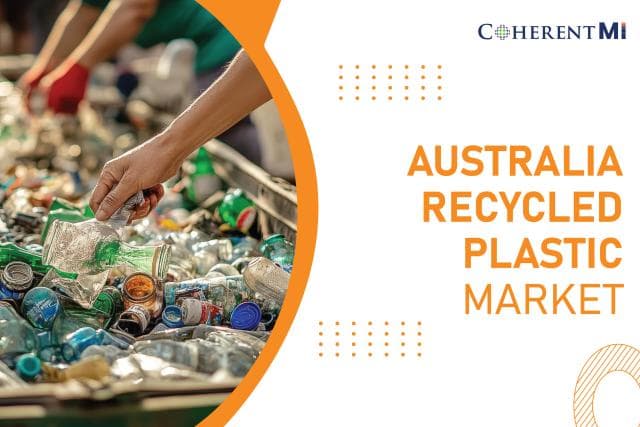
Australia has emerged as one of the major recyclers of plastic waste globally due to a steady rise in plastic consumption and stringent government policies promoting recycling and reuse.
The country recycled around 2.5 million tonnes of plastic in 2020 alone.
Let's delve deeper into key aspects driving the growth of Australia's recycled plastic.Rising Plastic Consumption in AustraliaPlastic consumption in Australia has increased substantially over the past decade led by rapid urbanization, changing lifestyles, and economic growth.
Per capita plastic consumption increased from 108 kg per person in 2010 to 138 kg per person in 2020.
Queensland recorded the highest per capita plastic usage at nearly 150 kg followed by Western Australia.
Significant plastic is utilized across industries such as packaging, construction, automotive, healthcare, and electronics.
The rising plastic consumption inevitably increases the plastic waste generation putting pressure on waste management systems.
This has turned plastic recycling into a lucrative business opportunity.
Government Initiatives to Boost Recycling RatesThe Australian government has aggressively promoted plastic recycling through various policy initiatives to reduce the country's reliance on landfills and develop a circular economy.
The 2025 National Packaging Targets mandate all packaging to be reusable, recyclable, or compostable by 2025.
Financial incentives in the form of grants are provided to local councils and businesses investing in new recycling infrastructure.
Landfill levies charged on accepting waste for landfilling also encourage diversion of plastic waste towards recycling.
The phase-out of single-use plastics such as straws, cutlery, and stirrers by 2023 will additionally boost the demand for recycled plastics.Recycling Infrastructure Developments To handle the growing waste volumes, significant investments are being made towards expanding old recycling facilities and setting up new modern plants across major cities.
Advanced recycling technologies such as pyrolysis, gasification and mechanical recycling are gaining popularity.
For instance, Nexus Infrastructure invested $260 million to build one of the largest plastic recycling plants in Western Sydney with an annual capacity of 160,000 tonnes.
Similarly, Cleanaway Waste Management has invested $35 million to upgrade a recycling facility in Brisbane.
The improved infrastructure coupled with mandatory recycling policies is driving high plastic collection rates.
Currently, 63% of the total plastic packaging waste generated annually gets recycled in Australia well above global average of 14%.Demand from Packaging and Manufacturing Sectors Packaging emerges as the biggest end-use sector consuming over 2/3rd of the recycled plastic output in Australia.
Major retailers have adopted the use of recycled plastics for secondary packaging, outdoor furniture, and carrier bags to achieve packaging sustainability targets.
Demand from construction industry for plastic lumber, insulation material and other products also provides good demand for recycled low-density polyethylene, polypropylene and polyvinyl chloride.
Manufacturers of apparels, carpets and automotive components are increasingly using recycled polyester and nylon fibers in production.
Initiatives like REDcycle by Coles and Woolworths promote within-store drop-off points for plastic bags and wrappers to supply to manufacturers.
This organized collection system helps address the unreliable waste supply issue.Export Growth Amid Strong Global DemandWhile domestic demand remains stable, Australia's export of recycled plastics is rising exponentially driven by increased global plastics imports from countries like India, Indonesia, Malaysia, Thailand, and China.
In 2020-21 fiscal year, export of plastic recyclables increased by 25% to more than 674,000 tonnes value at $600 million.
China was the biggest exporter until it banned import of 24 types of solid waste in 2018.
However, Australia smoothly diverted shipments to other Southeast Asian nations where demand for recycled plastic remains robust in manufacturing industries.
The country's well-established recycling infrastructure and systems backed by policy supports have enabled it to reliably supply quality plastic recyclables to global buyers.
In summary, various factors like rising consumption levels, conducive government policies, and investments in recycling infrastructure have propelled Australia's recycled plastics to new heights.
While domestic demand provides stable offtake capacity, export sales represent big growth potential for the future.
Overall, the country seems well-poised to capitalize on opportunities emerging from the global transition towards circular plastics economy.
About author
Nilanjana Chakraborty
Nilanjana is a post-graduate of journalism and mass communication. Besides being a writer she is also an avid reader and loves painting. She can write on many subjects but writing on technology, science lifestyle and health is her forte. In her free time, she does volunteering work at animal rescue centers and is a person who always tries to think out of the box.